
Fixed Hardware Guidelines
Community-driven standards for maintaining the character of Eldorado Canyon's climbing routes
Resources & Documents
Access application forms, detailed guidelines, and additional resources
Application Form
Submit your fixed hardware proposal
Apply NowFull Guidelines PDF
Download the complete 2015 guidelines
DownloadContact Committee
Questions about the review process
Get HelpFor park permits and immediate questions:
Call Park Office: (303) 494-3943About Fixed Hardware Review
Shortly after its incorporation, ACE created the fixed hardware review process. The process provides a mechanism for the legal establishment of new routes or existing routes with bolts.
In 2000, ACE enacted the fixed hardware guidelines, which codified the local climbing community's views on these issues. The guidelines were revised and updated in 2015. The guidelines are an integral part of the ACE fixed hardware review process.
Success Story: This process has been highly successful. The local climbing community supports the process and the park's climbing management plan, creating a model for collaborative climbing area management.
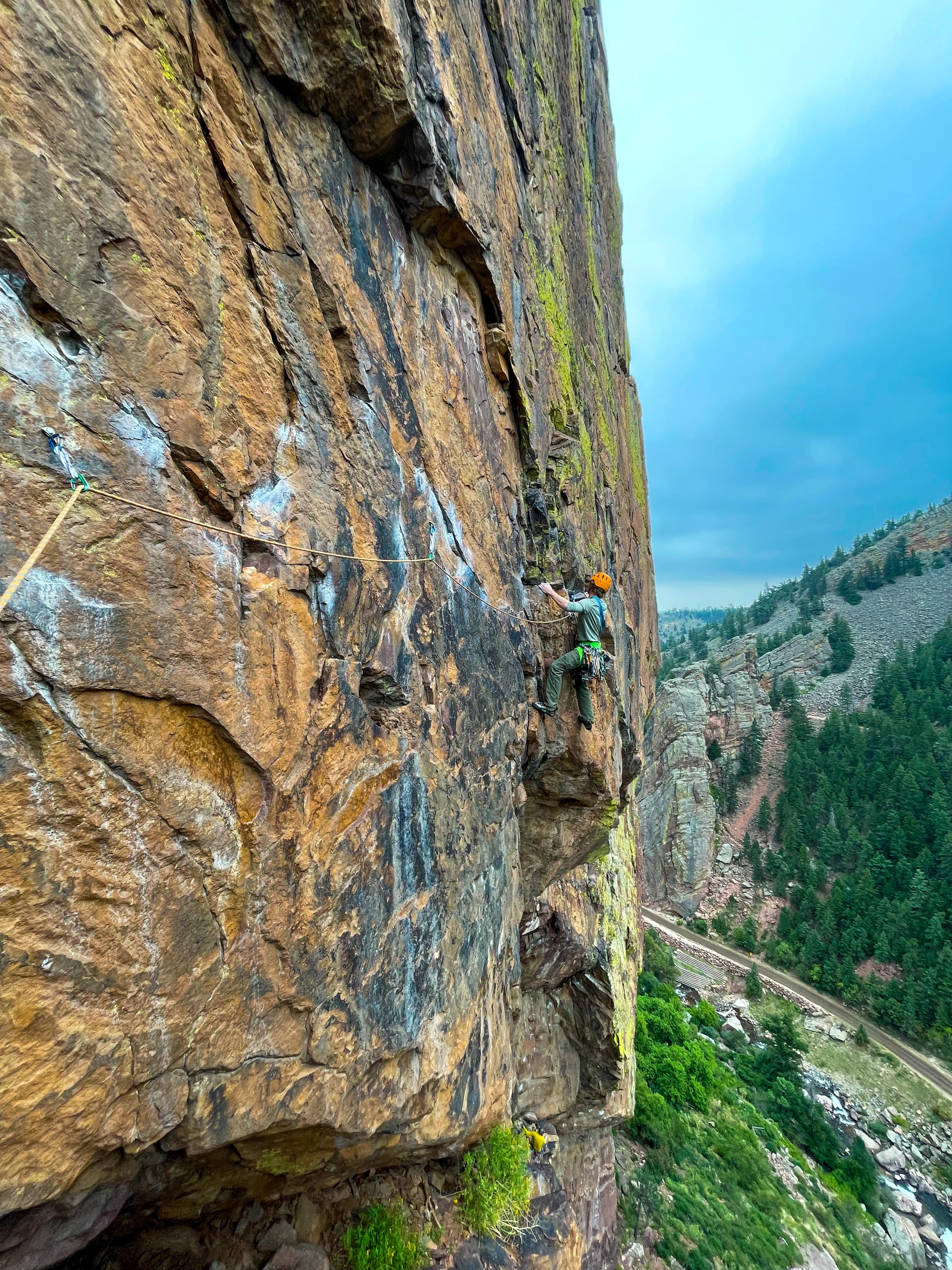
How the Review Process Works
A transparent, community-driven approach to managing fixed protection
Submit Application
Climber submits detailed proposal for new route or hardware modification
Community Review
ACE committee polls the climbing community for feedback and opinions
ACE Evaluation
Board reviews community input and evaluates against established guidelines
Park Decision
ACE makes recommendation to park, which makes the final decision
Key Guidelines
Essential principles that preserve Eldorado's climbing character while allowing controlled growth
New Route Development
Factors in Favor:
- Independent & direct line
- Good rock quality
- Interesting movement & aesthetic position
Installation Deadline: 1 year exclusive, 5 years total
Replacement Guidelines
Types of Replacement:
- Like-for-like: Park permit only (no ACE review)
- Piton to bolt: Full ACE review required
- Anchor replacement: Expedited review possible
- Must consider the current character of the route
Installation Deadline: 6 months exclusive, 5 years total
Prohibited Actions
Absolutely Forbidden:
- Chipping, chiseling, or gluing holds
- Unauthorized placement/removal of hardware
- Modifications without community consensus
- Perma draws and mussy hooks must go through the review process
- Bolts where natural protection exists
Violations may result in hardware removal
Additional Considerations
Quality Factors
- • Routes should be at least 10 feet from existing lines
- • Hardware must not be clippable from adjacent routes
- • Routes should be reasonable for on-sight leads
- • Bold routes should remain bold, G routes remain G rated
- • Must consider the current character of the route
Special Notes
- • Fixed nuts/cams can be removed at will
- • RURPs and body-weight pitons not considered reliable
- • Expedited process available for anchor replacements
Important Information
Community Consensus Required
All fixed hardware modifications require community review. Individual actions without consensus is a citable offense to be determined by state park law enforcement, and will result in hardware removal.
Park Authority
ACE makes recommendations based on community input, but final approval authority rests with Eldorado Canyon State Park.
Permit Requirements
Even like-for-like replacements require a park permit. Contact the park at 303-494-3943 before any hardware work.
Frequently Asked Questions
Who can submit a fixed hardware application?
Any climber can submit an application for new routes or modifications. However, applicants should have extensive experience with Eldorado climbing and understand the local ethics.
How long does the review process take?
The review process typically takes 2-3 months, depending on the complexity of the proposal and the level of community feedback required.
What constitutes a 'like-for-like' replacement?
A like-for-like replacement means replacing old hardware with new hardware of the same type in the exact same location (e.g., replacing an old bolt with a new bolt).
Can I replace pitons with bolts?
Replacing pitons with bolts requires a full community review through the ACE process. Since such a change can alter the character of a route, each proposal is treated on a case-by-case basis.